Understanding and Managing Air Pollution Sources
Air pollution is a significant environmental and health issue, affecting millions of people worldwide. The sources of air pollution are diverse, ranging from industrial activities to natural events. Understanding these Air Pollution Sources is crucial for developing effective strategies to mitigate their impact.
What Are Air Pollution Sources?
Air pollution sources can be broadly categorized into two types: natural and anthropogenic (human-made). Natural sources include volcanic eruptions, wildfires, and dust storms. Anthropogenic sources, which are more prevalent in urban and industrial areas, include emissions from vehicles, factories, and power plants. One of the most concerning pollutants is PM 2.5, fine particulate matter that can penetrate deep into the lungs and cause severe health issues.
PM 2.5: A Major Concern
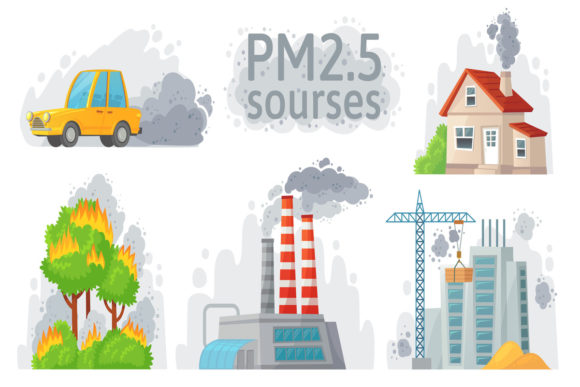
PM 2.5, or particulate matter with a diameter of 2.5 micrometers or less, is a primary pollutant in many urban environments. These tiny particles can come from various sources, including vehicle exhaust, industrial emissions, and even indoor activities like cooking and cleaning. The small size of PM 2.5 makes it particularly dangerous, as it can bypass the body's natural defenses and enter the bloodstream, leading to respiratory and cardiovascular problems.
Identifying and Mitigating Air Pollution Sources
Effective management of air pollution requires a thorough understanding of its sources. This involves identifying the specific pollutants and their origins, and then implementing targeted measures to reduce their emission and impact.
Industrial Emissions
Industries are a major contributor to air pollution, particularly in regions with high concentrations of manufacturing and energy production. Factories and power plants release a variety of pollutants, including sulfur dioxide, nitrogen oxides, and particulate matter. To mitigate these emissions, industries can adopt cleaner technologies, such as scrubbers and filters, and transition to renewable energy sources.
Vehicular Emissions
Vehicles, especially those running on gasoline and diesel, emit significant amounts of pollutants. Urban areas with high traffic density often experience poor air quality due to these emissions. Solutions include promoting the use of electric and hybrid vehicles, improving public transportation systems, and implementing stricter emission standards for new vehicles.
Domestic and Agricultural Activities
Activities such as burning wood for heating, using pesticides in agriculture, and waste disposal also contribute to air pollution. Encouraging the use of clean energy alternatives, such as solar and wind, and promoting sustainable agricultural practices can help reduce these emissions.
Practical Implementation Tips
Integrating the management of air pollution sources into broader environmental and health policies is essential. Here are some practical tips for individuals, businesses, and policymakers:
- Conduct regular air quality monitoring to identify and track pollution hotspots.
- Invest in green infrastructure, such as parks and green roofs, to absorb pollutants and improve air quality.
- Promote public awareness and education about the sources and impacts of air pollution.
- Collaborate with stakeholders, including local communities, businesses, and government agencies, to develop and implement comprehensive pollution control strategies.
Long-Term Use and Sustainability
Managing air pollution is not a one-time task but a continuous process. Long-term sustainability requires ongoing efforts to reduce emissions and improve air quality. This includes investing in research and development to find innovative solutions, updating regulations to reflect new scientific findings, and fostering a culture of environmental responsibility.
By understanding and addressing the various Air Pollution Sources, we can create a healthier and more sustainable environment for future generations. Whether you are a policymaker, a business owner, or an individual, your actions can make a significant difference in reducing air pollution and improving overall air quality.